
4 Timeless Ramayana Books Every Lord Rama Devotee Must Read
Deepak Rajeev | Feb 17, 2026, 13:32 IST

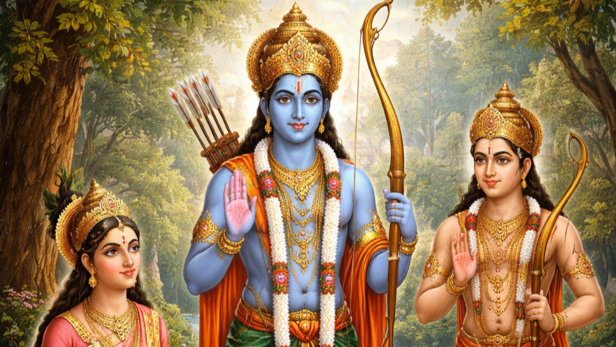
Lord Rama, Lakshmana and Sita Devi (Image Credit: AI)
Lord Rama's life teaches dharma. Several classic books retell his story. Maharishi Valmiki's Ramayana is the original epic. Goswami Tulsidas' Ramcharitmanas made the story accessible. Adhyatma Ramayana offers a philosophical view. C. Rajagopalachari's version is concise and is very accessible for modern readers. These texts offer spiritual and moral upliftment.
Highlights
- Lord Rama is the seventh avatar of Bhagwan Vishnu.
- Maharishi Valmiki’s 'Ramayana' is a classic text comprising 24,000 verses.
- Goswami Tulsidas’ 'Ramcharitmanas' highlights the Lord's divine nature.
- Adhyatma Ramayana is a philosophical retelling of Lord Rama's story.
Lord Rama is believed to be the seventh and one of the most powerful avatars of Bhagwan Vishnu. Rama Navami is a key religious day on which we celebrate the birth of the Lord. Being the ideal man or the Maryada Purushottam, Lord Rama’s life story teaches us how to live a life of dharma. If we truly understand and internalise the story and values of Rama, our internal world can become deeply purified, resulting in liberation from all kinds of attachments. There are some timeless classics that portrays the life-story of Lord Rama that every devotee must read. Lets explore these books.
![Valmiki Epitomises Lord Rama's Righteousness (Image Credit: AI)]() A book of profound spiritual and traditional importance, Valmiki’s Ramayana is the classic text that deserves space in the library of every devotee. Divided into 7 ‘Kands’, Ramayan depicts the life-story of Lord Rama in its entirety. In 24,000 verses, this book follows the Lord’s journey from Ayodhya to the war in Lanka.
A book of profound spiritual and traditional importance, Valmiki’s Ramayana is the classic text that deserves space in the library of every devotee. Divided into 7 ‘Kands’, Ramayan depicts the life-story of Lord Rama in its entirety. In 24,000 verses, this book follows the Lord’s journey from Ayodhya to the war in Lanka.
Valmiki epitomises Lord Rama as the ultimate symbol of righteousness. Indeed, each story or even verse throughout this book can teach you important life lessons for attaining spiritual and moral upliftment.
2. Goswami Tulsidas’
![Poet Tulsidas Focuses on the Divine Nature of the Lord]() This is an epic poem, inspired by Valmiki’s Ramayana, written in the Awadhi language. Also known as Tulsidas Ramayana, Ramcharitmanas means “Lake of the deeds of Rama.” One of the greatest achievements of this text is the way in which it ensured the availability of Lord Rama’s story to the common man to sing and meditate on. The key aspect that differentiates Ramacharitmanas from Valmiki’s Ramayana is Tulsidas Ji’s deep focus on the divine nature of Bhagwan Rama. According to the poet, the Lord is a sacred figure who comes to the rescue to the rescue of every sincere devotee.
This is an epic poem, inspired by Valmiki’s Ramayana, written in the Awadhi language. Also known as Tulsidas Ramayana, Ramcharitmanas means “Lake of the deeds of Rama.” One of the greatest achievements of this text is the way in which it ensured the availability of Lord Rama’s story to the common man to sing and meditate on. The key aspect that differentiates Ramacharitmanas from Valmiki’s Ramayana is Tulsidas Ji’s deep focus on the divine nature of Bhagwan Rama. According to the poet, the Lord is a sacred figure who comes to the rescue to the rescue of every sincere devotee.
3.
![Adhyatma Ramayana Unfolds as a Discussion (Image Credit: AI)]() Believed to be written in 13-15th century, this Sanskrit and philosophical text retells the story of Lord Rama through Advaita Vedanta and Bhakti perspective. This story unfolds through a spiritual discussion between Lord Shiva and Parvati Devi in the Brahmanda Purana. Ideal aspects of Bhagwan Rama’s character, such as righteousness, wisdom, dispassion and so forth, are celebrated throughout this work. In fact, this text represents the Lord as supreme Brahman or the ultimate and eternal foundation of all existence.
Believed to be written in 13-15th century, this Sanskrit and philosophical text retells the story of Lord Rama through Advaita Vedanta and Bhakti perspective. This story unfolds through a spiritual discussion between Lord Shiva and Parvati Devi in the Brahmanda Purana. Ideal aspects of Bhagwan Rama’s character, such as righteousness, wisdom, dispassion and so forth, are celebrated throughout this work. In fact, this text represents the Lord as supreme Brahman or the ultimate and eternal foundation of all existence.
First published in 1957, this book is extremely accessible to modern readers. It a concise version of Ramayana in simple and elegant English prose. If directly plunging into this great epic of Hinduism through the above-mentioned classic texts seem too daunting, you can start with C. Rajagopalachri’s Ramayana.
Explore the latest trends and tips in Health & Fitness, Spiritual, Travel, Life Hacks, Trending, Fashion & Beauty, and Relationships at Times Life!
Frequently Asked Questions (FAQs)
1. Maharishi Valmiki’s Ramayana
Valmiki Epitomises Lord Rama's Righteousness (Image Credit: AI)
Valmiki epitomises Lord Rama as the ultimate symbol of righteousness. Indeed, each story or even verse throughout this book can teach you important life lessons for attaining spiritual and moral upliftment.
2. Goswami Tulsidas’ Ramcharitmanas
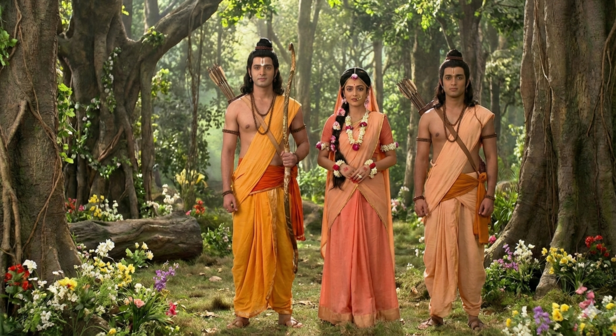
Poet Tulsidas Focuses on the Divine Nature of the Lord
3. Adhyatma Ramayana by Vyasa
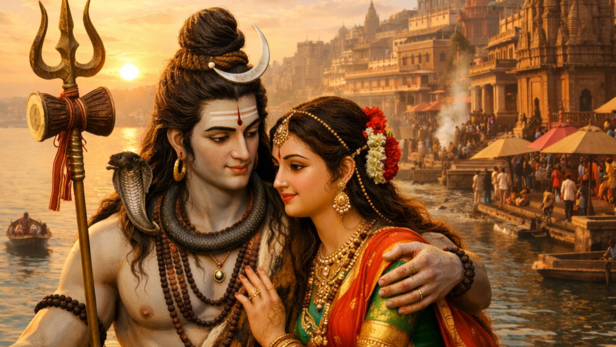
Adhyatma Ramayana Unfolds as a Discussion (Image Credit: AI)
4. C. Rajagopalachari’s The Ramayana
First published in 1957, this book is extremely accessible to modern readers. It a concise version of Ramayana in simple and elegant English prose. If directly plunging into this great epic of Hinduism through the above-mentioned classic texts seem too daunting, you can start with C. Rajagopalachri’s Ramayana.
Explore the latest trends and tips in Health & Fitness, Spiritual, Travel, Life Hacks, Trending, Fashion & Beauty, and Relationships at Times Life!
Frequently Asked Questions (FAQs)
- Which version of Ramayana is best?
The original Valmiki Ramayana is considered as the most authentic and comprehensive source of epic. - Who is Hanuman's biggest enemy?
Based on the Ramayana and its various adaptations, Hanuman does not have a single "biggest enemy." Hanuman Jhi is often portrayed as an invincible devotee of Lord Rama. - Who was jealous of Rama?
According to the Ramayana, Manthara was primarily jealous of Rama. She was the wicked maidservant of Queen Kaikeyi.