
7 Temples Where Shiva Is Said to Still Be Present Today
Deepak Rajeev | May 04, 2026, 13:02 IST

Powerful Lord Shiva Temples (Image Credit: AI)
India holds sacred spaces where Shiva's presence is felt as alive and personal. Temples like Kashi Vishwanath, Kedarnath, Somnath, Mahakaleshwar, Amarnath, Chidambaram, and Baidyanath Dham are not just places of worship. They are living traditions where millions seek something beyond the visible. Devotees believe Shiva is accessible, his presence felt through rituals, nature, and collective faith.
There are certain sacred spaces in India where devotion does not feel like a ritual performed at a distance, but like an experience that is alive, immediate, and deeply personal. Among the countless temples dedicated to Lord Shiva, a few stand apart because devotees across generations have believed that Shiva’s presence is not symbolic alone, but something that can still be felt even today. These temples are not just places of worship. They are living traditions, shaped by stories, rituals, and experiences that continue to draw millions seeking something beyond the visible.
![Kashi Vishwanath Temple | Instagram - @gorakhpuriya__ghumakkad]() In the ancient city of Varanasi, believed to be one of the oldest continuously inhabited cities in the world, the Kashi Vishwanath Temple holds a significance that goes far beyond architecture or history. It is often said that Shiva himself resides here as Vishwanath, the lord of the universe, and that the city exists under his direct protection. Devotees believe that dying in Kashi grants liberation, a belief deeply rooted in centuries of tradition and scripture. The temple’s spiritual intensity, especially during early morning aartis and festivals like Mahashivratri, creates an atmosphere where many feel an undeniable sense of presence.
In the ancient city of Varanasi, believed to be one of the oldest continuously inhabited cities in the world, the Kashi Vishwanath Temple holds a significance that goes far beyond architecture or history. It is often said that Shiva himself resides here as Vishwanath, the lord of the universe, and that the city exists under his direct protection. Devotees believe that dying in Kashi grants liberation, a belief deeply rooted in centuries of tradition and scripture. The temple’s spiritual intensity, especially during early morning aartis and festivals like Mahashivratri, creates an atmosphere where many feel an undeniable sense of presence.
![Kedarnath Temple]() Set high in the Himalayas, surrounded by snow-covered peaks and extreme conditions, Kedarnath Temple is often described as a place where the boundary between the physical and the spiritual feels thinner. As one of the twelve Jyotirlingas, it is considered among the holiest abodes of Shiva. The journey itself, involving a demanding trek, is seen as a form of devotion. Many pilgrims speak of a profound stillness and energy within the temple, as if the silence of the mountains carries a deeper spiritual resonance that reflects Shiva’s presence.
Set high in the Himalayas, surrounded by snow-covered peaks and extreme conditions, Kedarnath Temple is often described as a place where the boundary between the physical and the spiritual feels thinner. As one of the twelve Jyotirlingas, it is considered among the holiest abodes of Shiva. The journey itself, involving a demanding trek, is seen as a form of devotion. Many pilgrims speak of a profound stillness and energy within the temple, as if the silence of the mountains carries a deeper spiritual resonance that reflects Shiva’s presence.
![Somnath Temple | Instagram - @kamiya_jani]() Somnath Temple stands as a symbol of resilience and continuity, having been destroyed and rebuilt multiple times across history. It is believed to be the first among the twelve Jyotirlingas, and its location on the western coast of India adds to its mystique, where the sound of the ocean merges with temple rituals. Devotees often describe a sense of timelessness here, as if the temple’s long history has only strengthened the belief that Shiva’s presence remains constant, untouched by the passage of time.
Somnath Temple stands as a symbol of resilience and continuity, having been destroyed and rebuilt multiple times across history. It is believed to be the first among the twelve Jyotirlingas, and its location on the western coast of India adds to its mystique, where the sound of the ocean merges with temple rituals. Devotees often describe a sense of timelessness here, as if the temple’s long history has only strengthened the belief that Shiva’s presence remains constant, untouched by the passage of time.
Mahakaleshwar Temple in Ujjain is unique because Shiva is worshipped here as Mahakal, the lord of time. Unlike most other Jyotirlingas, this one is considered self-manifested and faces south, a direction traditionally associated with death and transformation. The famous Bhasma Aarti, performed using sacred ash, is one of the most intense rituals in Hindu worship. Devotees often describe the experience as powerful and transformative, reinforcing the belief that Shiva’s presence here is deeply connected to the cycle of life and death.
Hidden within the mountains of Jammu and Kashmir, the Amarnath Cave Temple is known for its naturally forming ice Shivling, which waxes and wanes with the lunar cycle. This natural phenomenon has been a source of spiritual wonder for centuries. The pilgrimage to Amarnath is challenging, yet thousands undertake it every year, driven by faith. Many devotees believe that the formation of the ice lingam itself is a sign of Shiva’s living presence, making this one of the most unique and revered sites of worship.
In Tamil Nadu, the Chidambaram Nataraja Temple represents Shiva not as a static form, but as the cosmic dancer, Nataraja. What sets this temple apart is the concept of the “Chidambara Rahasyam,” or the secret of the universe, symbolised by an empty space that represents the formless aspect of Shiva. Devotees believe that this space signifies Shiva’s presence beyond physical form, making the temple a profound representation of spiritual philosophy as well as devotion.
Baidyanath Dham, also known as one of the Jyotirlingas, is deeply associated with healing and restoration. According to tradition, Shiva is worshipped here as a divine healer. The temple sees an immense influx of devotees, especially during the Shravan month, when pilgrims carry holy water over long distances to offer at the shrine. The collective faith and devotion experienced here often create an atmosphere that many describe as spiritually charged and deeply moving.
Across these temples, what stands out is not just their historical or architectural importance, but the enduring belief that Shiva is not distant, but accessible. Whether it is through the silence of the Himalayas, the rhythm of temple rituals, or the faith of millions, these sacred spaces continue to carry a sense of living presence that transcends time. For devotees, visiting these temples is not merely about seeing a place. It is about experiencing something that cannot always be explained, but is deeply felt. And perhaps that is what keeps the belief alive, that in these sacred corners of the world, Shiva is not just remembered, but still present.
Explore the latest trends and tips in Health & Fitness, Spiritual, Travel, Life Hacks, Trending, Fashion & Beauty, and Relationships at Times Life!
Kashi Vishwanath Temple
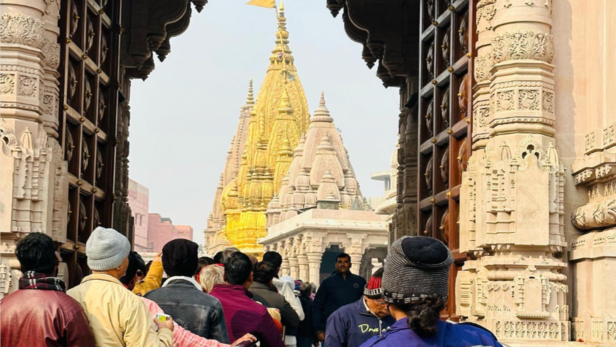
Kashi Vishwanath Temple | Instagram - @gorakhpuriya__ghumakkad
Kedarnath Temple
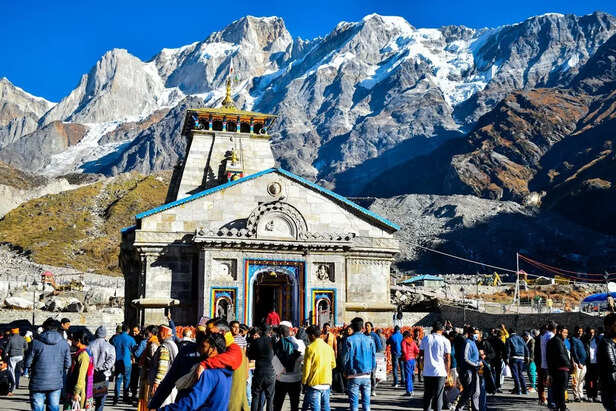
Kedarnath Temple
Image credit : Pexels
Somnath Temple
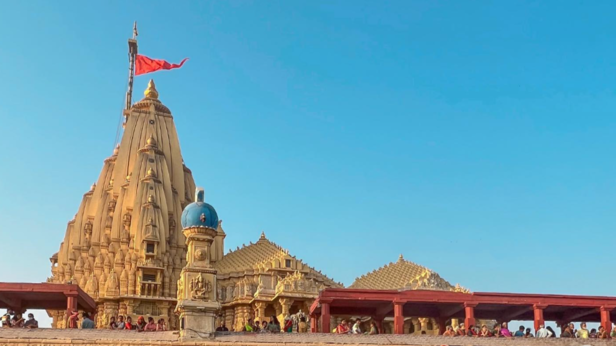
Somnath Temple | Instagram - @kamiya_jani
Mahakaleshwar Temple
Mahakaleshwar Temple in Ujjain is unique because Shiva is worshipped here as Mahakal, the lord of time. Unlike most other Jyotirlingas, this one is considered self-manifested and faces south, a direction traditionally associated with death and transformation. The famous Bhasma Aarti, performed using sacred ash, is one of the most intense rituals in Hindu worship. Devotees often describe the experience as powerful and transformative, reinforcing the belief that Shiva’s presence here is deeply connected to the cycle of life and death.
Amarnath Cave Temple
Hidden within the mountains of Jammu and Kashmir, the Amarnath Cave Temple is known for its naturally forming ice Shivling, which waxes and wanes with the lunar cycle. This natural phenomenon has been a source of spiritual wonder for centuries. The pilgrimage to Amarnath is challenging, yet thousands undertake it every year, driven by faith. Many devotees believe that the formation of the ice lingam itself is a sign of Shiva’s living presence, making this one of the most unique and revered sites of worship.
Chidambaram Nataraja Temple
In Tamil Nadu, the Chidambaram Nataraja Temple represents Shiva not as a static form, but as the cosmic dancer, Nataraja. What sets this temple apart is the concept of the “Chidambara Rahasyam,” or the secret of the universe, symbolised by an empty space that represents the formless aspect of Shiva. Devotees believe that this space signifies Shiva’s presence beyond physical form, making the temple a profound representation of spiritual philosophy as well as devotion.
Baidyanath Dham
Baidyanath Dham, also known as one of the Jyotirlingas, is deeply associated with healing and restoration. According to tradition, Shiva is worshipped here as a divine healer. The temple sees an immense influx of devotees, especially during the Shravan month, when pilgrims carry holy water over long distances to offer at the shrine. The collective faith and devotion experienced here often create an atmosphere that many describe as spiritually charged and deeply moving.
A Presence That Transcends Time
Across these temples, what stands out is not just their historical or architectural importance, but the enduring belief that Shiva is not distant, but accessible. Whether it is through the silence of the Himalayas, the rhythm of temple rituals, or the faith of millions, these sacred spaces continue to carry a sense of living presence that transcends time. For devotees, visiting these temples is not merely about seeing a place. It is about experiencing something that cannot always be explained, but is deeply felt. And perhaps that is what keeps the belief alive, that in these sacred corners of the world, Shiva is not just remembered, but still present.
Explore the latest trends and tips in Health & Fitness, Spiritual, Travel, Life Hacks, Trending, Fashion & Beauty, and Relationships at Times Life!