
How Parashurama Created Kerala- Hidden Truth Revealed
Deepak Rajeev | May 02, 2026, 12:30 IST

The Creation of Parashurama Kshetra (Image Credit: AI)
A fascinating legend tells of Lord Parashurama, an avatar of Vishnu, creating Kerala by throwing his axe into the sea. This divine act revealed fertile land, transforming it into a sacred space. While science offers geological explanations, this myth remains a powerful symbol of creation, order, and cultural identity for the region.
The story of how Lord Parashurama is believed to have created Kerala is one of the most fascinating and widely discussed legends in Hindu mythology. It blends divine symbolism, moral storytelling, and ancient cultural memory into a narrative that continues to capture attention even today. While modern science explains Kerala’s formation through geological processes, traditional texts and regional folklore preserve a completely different perspective, where land itself is said to have emerged through divine intervention.
![Lord Parashuram | Instagram - @all_indian_brahman_smaj1]() Parashurama, the sixth avatar of Lord Vishnu, is described in Hindu tradition as a warrior sage born to restore balance when injustice rises on earth. According to mythological accounts, he carried immense power, discipline, and divine authority, and is often associated with the axe given to him by Lord Shiva. This axe becomes central to the Kerala origin story, symbolising both destruction of injustice and the creation of a new order.
Parashurama, the sixth avatar of Lord Vishnu, is described in Hindu tradition as a warrior sage born to restore balance when injustice rises on earth. According to mythological accounts, he carried immense power, discipline, and divine authority, and is often associated with the axe given to him by Lord Shiva. This axe becomes central to the Kerala origin story, symbolising both destruction of injustice and the creation of a new order.
In many versions of the legend, Parashurama is said to have completed his mission of defeating corrupt Kshatriya rulers and then sought peace and penance. It is in this phase of spiritual transformation that the story of Kerala’s creation is believed to take place.
![The Warrior Sage | Instagram - @gauravmishraofficial002]() The most famous version of the legend states that Parashurama stood at the edge of the western coast and threw his divine axe into the Arabian Sea. It is said that wherever the axe landed, the sea withdrew, revealing a long stretch of fertile land. This newly emerged land is believed to be what we now call Kerala.
The most famous version of the legend states that Parashurama stood at the edge of the western coast and threw his divine axe into the Arabian Sea. It is said that wherever the axe landed, the sea withdrew, revealing a long stretch of fertile land. This newly emerged land is believed to be what we now call Kerala.
Traditional texts describe this land as initially saline and uninhabitable, which led Parashurama to perform further acts of purification. In some narratives, serpent deities are invoked to sanctify the soil, transforming it into a fertile and livable region. This layered storytelling reflects how mythology often combines creation with symbolic purification and order.
Beyond the literal interpretation, the story of Parashurama creating Kerala carries deeper symbolic meaning. It is often understood as a narrative of transformation, where chaos gives way to order and destruction leads to renewal. Parashurama’s act is not just about land creation, but about establishing a space where dharma, learning, and spiritual discipline can flourish. In regional traditions, Kerala is even referred to as “Parashurama Kshetra”, meaning the land of Parashurama, highlighting how deeply this legend is woven into cultural identity.
Some versions also expand the story further, describing how Brahmin communities were brought to settle the land and establish early religious and social systems, making the narrative both spiritual and societal in scope.
While the Parashurama legend is deeply respected in tradition, modern geological understanding explains Kerala’s formation through natural coastal processes, sediment deposition, and long-term tectonic activity. These scientific explanations do not align with the idea of sudden land emergence, which places the Parashurama story firmly in the realm of mythology and cultural symbolism rather than literal history. However, what makes the story powerful is not scientific accuracy, but its ability to express how ancient civilisations understood nature, geography, and divine intervention through storytelling.
The “hidden truth” in the Parashurama-Kerala story is not about proving or disproving the event itself, but about understanding its meaning. It reflects how ancient traditions used divine figures to explain the world around them, blending morality, spirituality, and imagination into a single narrative. Even today, the story continues to inspire curiosity because it sits at the intersection of belief and mystery. And despite centuries of interpretation, we still don’t fully understand animal perception, human imagination, or how deeply mythology shapes the way we connect with history and nature.
Explore the latest trends and tips in Health & Fitness, Spiritual, Travel, Life Hacks, Trending, Fashion & Beauty, and Relationships at Times Life!
The Warrior Sage Behind the Legend
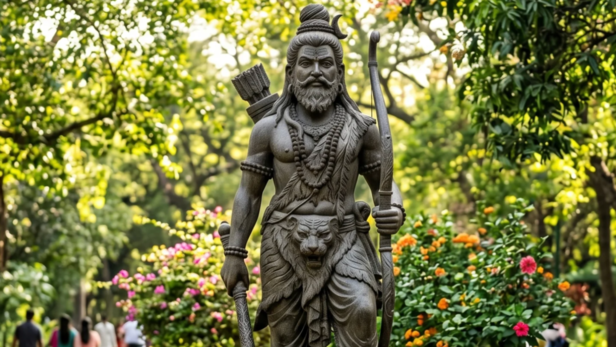
Lord Parashuram | Instagram - @all_indian_brahman_smaj1
In many versions of the legend, Parashurama is said to have completed his mission of defeating corrupt Kshatriya rulers and then sought peace and penance. It is in this phase of spiritual transformation that the story of Kerala’s creation is believed to take place.
The Moment the Sea Receded
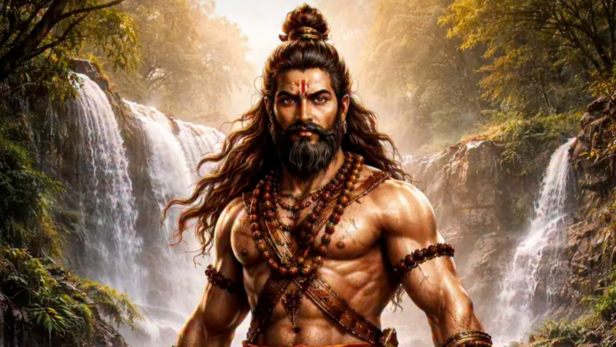
The Warrior Sage | Instagram - @gauravmishraofficial002
Traditional texts describe this land as initially saline and uninhabitable, which led Parashurama to perform further acts of purification. In some narratives, serpent deities are invoked to sanctify the soil, transforming it into a fertile and livable region. This layered storytelling reflects how mythology often combines creation with symbolic purification and order.
Cultural Meaning Behind the Creation Story
Beyond the literal interpretation, the story of Parashurama creating Kerala carries deeper symbolic meaning. It is often understood as a narrative of transformation, where chaos gives way to order and destruction leads to renewal. Parashurama’s act is not just about land creation, but about establishing a space where dharma, learning, and spiritual discipline can flourish. In regional traditions, Kerala is even referred to as “Parashurama Kshetra”, meaning the land of Parashurama, highlighting how deeply this legend is woven into cultural identity.
Some versions also expand the story further, describing how Brahmin communities were brought to settle the land and establish early religious and social systems, making the narrative both spiritual and societal in scope.
Mythology, History, and Scientific Perspective
While the Parashurama legend is deeply respected in tradition, modern geological understanding explains Kerala’s formation through natural coastal processes, sediment deposition, and long-term tectonic activity. These scientific explanations do not align with the idea of sudden land emergence, which places the Parashurama story firmly in the realm of mythology and cultural symbolism rather than literal history. However, what makes the story powerful is not scientific accuracy, but its ability to express how ancient civilisations understood nature, geography, and divine intervention through storytelling.
The Hidden Truth Behind the Legend
The “hidden truth” in the Parashurama-Kerala story is not about proving or disproving the event itself, but about understanding its meaning. It reflects how ancient traditions used divine figures to explain the world around them, blending morality, spirituality, and imagination into a single narrative. Even today, the story continues to inspire curiosity because it sits at the intersection of belief and mystery. And despite centuries of interpretation, we still don’t fully understand animal perception, human imagination, or how deeply mythology shapes the way we connect with history and nature.
Explore the latest trends and tips in Health & Fitness, Spiritual, Travel, Life Hacks, Trending, Fashion & Beauty, and Relationships at Times Life!