
Powerful Apara Ekadashi Vrat Katha That Removes Sins Instantly
Deepak Rajeev | May 05, 2026, 12:25 IST

Apara Ekadashi 2026: Vrat Katha (Image Credit: AI)
Apara Ekadashi in 2026 falls on May 13. This sacred day offers immense spiritual merit and cleanses past actions. Observed with sincerity, it provides boundless rewards. The vrat katha highlights redemption and transformation. This Ekadashi is believed to remove sins through devotion and discipline. It is a day of limitless possibility for spiritual progress.
Among the many Ekadashi observances dedicated to Lord Vishnu, Apara Ekadashi in 2026 falls on 13 May, during the Krishna Paksha of the Jyeshtha month, and it holds a uniquely powerful position in Hindu tradition because it is believed to grant immense spiritual merit and cleanse even the gravest of past actions when observed with sincerity. This sacred day is not just about fasting but about deep inner purification, devotion, and alignment with dharma, where the word “Apara” itself means limitless, reflecting the belief that the benefits of this vrat are beyond measure, offering both worldly well-being and spiritual progress. Across scriptures and traditional narratives, Apara Ekadashi is described as a vrata that can elevate a person’s life, provided it is observed with discipline, faith, and understanding of its deeper meaning.
The Divine Dialogue of Apara Ekadashi
![Lord Vishnu (Image Credit: AI)]() The vrat katha of Apara Ekadashi begins with a profound conversation between Yudhishthira and Lord Krishna, a dialogue that forms the foundation of many Ekadashi narratives. Seeking knowledge for the welfare of humanity, Yudhishthira asks Krishna to explain the significance of the Ekadashi that falls in the Jyeshtha month.
The vrat katha of Apara Ekadashi begins with a profound conversation between Yudhishthira and Lord Krishna, a dialogue that forms the foundation of many Ekadashi narratives. Seeking knowledge for the welfare of humanity, Yudhishthira asks Krishna to explain the significance of the Ekadashi that falls in the Jyeshtha month.
In response, Krishna reveals that this Ekadashi is called Apara because of its boundless spiritual rewards and its extraordinary ability to cleanse sins accumulated through various actions in life. The narrative emphasizes that even serious moral and ethical wrongdoings, when followed by sincere repentance and observance of this fast, can be spiritually neutralized, highlighting the transformative power of devotion and discipline. This dialogue is not merely a story but a philosophical teaching that positions Apara Ekadashi as a path toward redemption and self-correction rather than fear or punishment.
![Lord Krishna (Image Credit: AI)]() According to traditional katha narratives, Apara Ekadashi is associated with individuals who have strayed from the path of righteousness but seek to return through sincere effort and devotion. The scriptures describe various types of actions that lead to negative karmic consequences, including dishonesty, injustice, and misuse of knowledge or authority, and explain that observing this vrat with genuine intent can help cleanse these accumulated effects.
According to traditional katha narratives, Apara Ekadashi is associated with individuals who have strayed from the path of righteousness but seek to return through sincere effort and devotion. The scriptures describe various types of actions that lead to negative karmic consequences, including dishonesty, injustice, and misuse of knowledge or authority, and explain that observing this vrat with genuine intent can help cleanse these accumulated effects.
The emphasis of the katha is not on instant absolution without effort, but on the combination of fasting, prayer, and inner transformation. The fast acts as a form of discipline, while the prayers and rituals serve as expressions of surrender to the divine. Together, they create a process through which a person reflects on their actions and consciously moves toward a more righteous path. This is why Apara Ekadashi is often described as one of the most powerful Ekadashis, as it connects external ritual with internal change, making it both a spiritual and psychological journey.
The belief that Apara Ekadashi can remove sins is deeply rooted in the concept of karma in Hindu philosophy, where actions create consequences that shape one’s life and future. Observing the fast is seen as a way of interrupting negative karmic cycles and redirecting one’s life toward dharma. Scriptural references highlight that the merit gained from observing Apara Ekadashi is comparable to performing major religious acts such as pilgrimage, charity, and ritual worship, which traditionally require significant effort and resources.
This comparison is not meant to diminish those practices but to emphasize that sincere devotion, even through a simple act like fasting, can have profound spiritual impact when performed with the right intention.
Beyond the literal belief of sin removal, Apara Ekadashi carries a deeper message about human transformation. It teaches that no individual is permanently defined by past actions, and that change is always possible through awareness, discipline, and devotion. The vrat encourages control over the senses, reflection on one’s behavior, and alignment with higher values, all of which contribute to personal growth. In this sense, the “instant” removal of sins is symbolic of the moment when a person truly commits to change, letting go of past negativity and embracing a more conscious way of living.
This interpretation aligns with broader Hindu philosophy, where spiritual practices are not merely ritualistic but serve as tools for self-realization and inner purification.
Apara Ekadashi stands as a powerful reminder that transformation is always within reach, and that even the most complex burdens of the past can be addressed through sincere effort and devotion. It is not just a day of fasting, but a moment of reflection, renewal, and spiritual awakening. For devotees, this vrat is an opportunity to reconnect with the divine, seek forgiveness, and move forward with clarity and purpose. In a world filled with constant distractions and challenges, Apara Ekadashi offers a rare chance to pause, reflect, and realign with the deeper truths of life, making it one of the most meaningful observances in the Hindu calendar.
Explore the latest trends and tips in Health & Fitness, Spiritual, Travel, Life Hacks, Trending, Fashion & Beauty, and Relationships at Times Life!
The Divine Dialogue of Apara Ekadashi

Lord Vishnu (Image Credit: AI)
In response, Krishna reveals that this Ekadashi is called Apara because of its boundless spiritual rewards and its extraordinary ability to cleanse sins accumulated through various actions in life. The narrative emphasizes that even serious moral and ethical wrongdoings, when followed by sincere repentance and observance of this fast, can be spiritually neutralized, highlighting the transformative power of devotion and discipline. This dialogue is not merely a story but a philosophical teaching that positions Apara Ekadashi as a path toward redemption and self-correction rather than fear or punishment.
The Vrat Katha: A Story of Redemption & Transformation
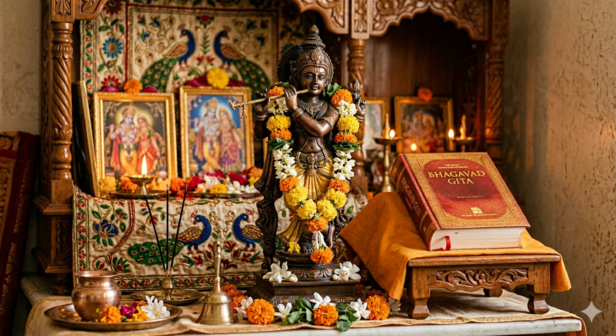
Lord Krishna (Image Credit: AI)
The emphasis of the katha is not on instant absolution without effort, but on the combination of fasting, prayer, and inner transformation. The fast acts as a form of discipline, while the prayers and rituals serve as expressions of surrender to the divine. Together, they create a process through which a person reflects on their actions and consciously moves toward a more righteous path. This is why Apara Ekadashi is often described as one of the most powerful Ekadashis, as it connects external ritual with internal change, making it both a spiritual and psychological journey.
Why This Ekadashi Is Believed to Remove Sins
The belief that Apara Ekadashi can remove sins is deeply rooted in the concept of karma in Hindu philosophy, where actions create consequences that shape one’s life and future. Observing the fast is seen as a way of interrupting negative karmic cycles and redirecting one’s life toward dharma. Scriptural references highlight that the merit gained from observing Apara Ekadashi is comparable to performing major religious acts such as pilgrimage, charity, and ritual worship, which traditionally require significant effort and resources.
This comparison is not meant to diminish those practices but to emphasize that sincere devotion, even through a simple act like fasting, can have profound spiritual impact when performed with the right intention.
The Deeper Spiritual Meaning Behind the Vrat
Beyond the literal belief of sin removal, Apara Ekadashi carries a deeper message about human transformation. It teaches that no individual is permanently defined by past actions, and that change is always possible through awareness, discipline, and devotion. The vrat encourages control over the senses, reflection on one’s behavior, and alignment with higher values, all of which contribute to personal growth. In this sense, the “instant” removal of sins is symbolic of the moment when a person truly commits to change, letting go of past negativity and embracing a more conscious way of living.
This interpretation aligns with broader Hindu philosophy, where spiritual practices are not merely ritualistic but serve as tools for self-realization and inner purification.
Conclusion: A Day of Limitless Possibility
Apara Ekadashi stands as a powerful reminder that transformation is always within reach, and that even the most complex burdens of the past can be addressed through sincere effort and devotion. It is not just a day of fasting, but a moment of reflection, renewal, and spiritual awakening. For devotees, this vrat is an opportunity to reconnect with the divine, seek forgiveness, and move forward with clarity and purpose. In a world filled with constant distractions and challenges, Apara Ekadashi offers a rare chance to pause, reflect, and realign with the deeper truths of life, making it one of the most meaningful observances in the Hindu calendar.
Explore the latest trends and tips in Health & Fitness, Spiritual, Travel, Life Hacks, Trending, Fashion & Beauty, and Relationships at Times Life!