
The Most Powerful Bhagavad Gita Lesson for Difficult Times
Deepak Rajeev | May 10, 2026, 22:08 IST

Bhagwan With Arjuna (Image Credit: AI)
The Bhagavad Gita offers timeless wisdom for handling fear, uncertainty, and emotional struggle. Through Krishna’s guidance to Arjuna before the Mahabharata war, the text explains why focusing on actions rather than outcomes can reduce anxiety and build inner strength. This article explores the Gita’s psychological depth, spiritual meaning, and why its lessons continue to resonate strongly in modern life.
There are moments in life when fear, uncertainty, emotional exhaustion, and self-doubt begin to overwhelm the human mind. During such periods, people often search for guidance that goes beyond temporary motivation. This is one reason why the Bhagavad Gita continues to remain deeply relevant thousands of years after it was spoken on the battlefield of Kurukshetra.
The Bhagavad Gita is not simply a religious text. It is also a profound exploration of the human mind during crisis. At the heart of the Gita stands Arjuna, one of the greatest warriors of the Mahabharata, completely emotionally shattered before battle. He experiences anxiety, confusion, guilt, overthinking, emotional paralysis, and fear of consequences. In many ways, his mental state resembles the emotional struggles people face even today. Among the many teachings Krishna gives Arjuna, one lesson stands above the rest during difficult times: focus on your actions, not your attachment to outcomes. This teaching, found in one of the Bhagavad Gita’s most famous verses, is often considered one of the most psychologically powerful ideas in Hindu philosophy.
![Lord Krishna (Image Credit: AI)]() Before the Mahabharata war even begins, Arjuna collapses emotionally after seeing his own relatives, teachers, and loved ones standing on both sides of the battlefield. He loses clarity and confidence. He questions the purpose of duty, success, morality, and even life itself. The Bhagavad Gita begins not with victory, but with emotional breakdown. This is what makes the Gita timeless. It acknowledges that even strong and capable individuals can become mentally overwhelmed during periods of crisis. Krishna does not shame Arjuna for feeling fear. Instead, he carefully guides him toward emotional balance, clarity, and action.
Before the Mahabharata war even begins, Arjuna collapses emotionally after seeing his own relatives, teachers, and loved ones standing on both sides of the battlefield. He loses clarity and confidence. He questions the purpose of duty, success, morality, and even life itself. The Bhagavad Gita begins not with victory, but with emotional breakdown. This is what makes the Gita timeless. It acknowledges that even strong and capable individuals can become mentally overwhelmed during periods of crisis. Krishna does not shame Arjuna for feeling fear. Instead, he carefully guides him toward emotional balance, clarity, and action.
![Lord Krishna Idol]() One of the most widely quoted teachings from the Bhagavad Gita is Krishna’s advice that human beings have control over their actions, but not complete control over the results of those actions. This lesson carries enormous psychological depth. Much of human anxiety comes from obsessing over outcomes that cannot be fully controlled:
One of the most widely quoted teachings from the Bhagavad Gita is Krishna’s advice that human beings have control over their actions, but not complete control over the results of those actions. This lesson carries enormous psychological depth. Much of human anxiety comes from obsessing over outcomes that cannot be fully controlled:
Modern life constantly pushes people toward result-driven thinking. Success is often measured through achievements, money, status, social approval, or comparison with others. This creates chronic stress because outcomes are never fully predictable. The Bhagavad Gita approaches this problem differently. Krishna suggests that inner stability comes not from controlling the future, but from maintaining balance while performing one’s responsibilities sincerely. This lesson resonates strongly today because many mental struggles arise from overthinking outcomes that remain uncertain. In many ways, Krishna’s teaching anticipates ideas now discussed in modern psychology, especially the importance of focusing on what is within personal control rather than becoming emotionally trapped by uncertainty.
One of the most misunderstood aspects of the Bhagavad Gita is the idea of detachment. Detachment in the Gita does not mean emotional coldness or avoiding responsibility. Krishna never asks Arjuna to abandon the battlefield or withdraw from life. Instead, Krishna teaches him how to face painful situations without mental collapse. This distinction is important. The Gita does not glorify escape from difficulty. It emphasizes emotional steadiness while fulfilling duty, even under pressure. That is why the text continues to feel psychologically powerful across generations.
The Bhagavad Gita repeatedly explores the instability of the human mind. Arjuna struggles with confusion, emotional conflict, grief, guilt, and fear before the war begins. Krishna responds not by denying those emotions, but by helping Arjuna understand them more clearly. Many scholars and readers interpret the dialogue between Krishna and Arjuna as one of the earliest explorations of inner psychological conflict in world literature.
The text repeatedly emphasizes:
The Bhagavad Gita does not promise a life without pain or uncertainty. Instead, it teaches that strength comes from learning how to act wisely despite uncertainty. Krishna’s guidance to Arjuna is ultimately about inner transformation. The battlefield becomes symbolic of every difficult phase human beings encounter in life. Loss, fear, emotional confusion, moral dilemmas, and uncertainty are all part of the human experience. The Gita teaches that peace is not found by avoiding these struggles, but by developing clarity and steadiness within them. This is why the text continues to inspire not only spiritual seekers, but also philosophers, psychologists, leaders, and ordinary readers across the world.
The most powerful Bhagavad Gita lesson for difficult times is Krishna’s teaching that human beings should focus on sincere action rather than becoming emotionally consumed by outcomes. This idea remains timeless because it speaks directly to the deepest source of human anxiety: the desire to control what cannot be fully controlled. Through Arjuna’s emotional struggle, the Bhagavad Gita presents a profound understanding of fear, uncertainty, responsibility, and inner strength. Krishna’s wisdom does not eliminate life’s difficulties, but it offers a way to face them with greater clarity, balance, and resilience. That is why, even after thousands of years, the Bhagavad Gita continues to feel less like an ancient scripture and more like a deeply human guide for surviving difficult times.
Explore the latest trends and tips in Health & Fitness, Spiritual, Travel, Life Hacks, Trending, Fashion & Beauty, and Relationships at Times Life!
The Bhagavad Gita is not simply a religious text. It is also a profound exploration of the human mind during crisis. At the heart of the Gita stands Arjuna, one of the greatest warriors of the Mahabharata, completely emotionally shattered before battle. He experiences anxiety, confusion, guilt, overthinking, emotional paralysis, and fear of consequences. In many ways, his mental state resembles the emotional struggles people face even today. Among the many teachings Krishna gives Arjuna, one lesson stands above the rest during difficult times: focus on your actions, not your attachment to outcomes. This teaching, found in one of the Bhagavad Gita’s most famous verses, is often considered one of the most psychologically powerful ideas in Hindu philosophy.
1. The Battlefield of Kurukshetra Was Also a Battlefield of the Mind
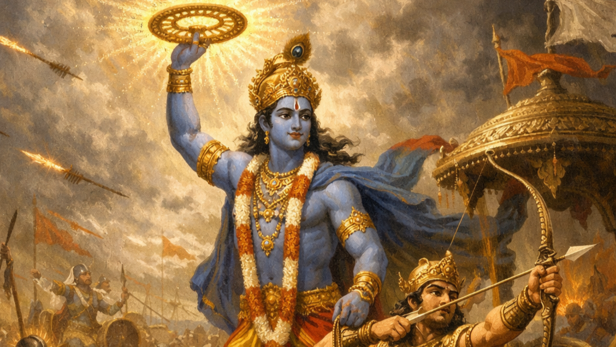
Lord Krishna (Image Credit: AI)
2. Krishna’s Most Powerful Lesson: Control Actions, Not Outcomes

Lord Krishna Idol
Image credit : Pexels
- fear of failure
- fear of rejection
- fear of loss
- fear of uncertainty
- fear of future consequences
3. Why This Lesson Feels So Relevant Today
Modern life constantly pushes people toward result-driven thinking. Success is often measured through achievements, money, status, social approval, or comparison with others. This creates chronic stress because outcomes are never fully predictable. The Bhagavad Gita approaches this problem differently. Krishna suggests that inner stability comes not from controlling the future, but from maintaining balance while performing one’s responsibilities sincerely. This lesson resonates strongly today because many mental struggles arise from overthinking outcomes that remain uncertain. In many ways, Krishna’s teaching anticipates ideas now discussed in modern psychology, especially the importance of focusing on what is within personal control rather than becoming emotionally trapped by uncertainty.
4. Krishna Did Not Tell Arjuna to Escape Difficulty
One of the most misunderstood aspects of the Bhagavad Gita is the idea of detachment. Detachment in the Gita does not mean emotional coldness or avoiding responsibility. Krishna never asks Arjuna to abandon the battlefield or withdraw from life. Instead, Krishna teaches him how to face painful situations without mental collapse. This distinction is important. The Gita does not glorify escape from difficulty. It emphasizes emotional steadiness while fulfilling duty, even under pressure. That is why the text continues to feel psychologically powerful across generations.
5. The Bhagavad Gita’s Understanding of Fear and Mental Conflict
The Bhagavad Gita repeatedly explores the instability of the human mind. Arjuna struggles with confusion, emotional conflict, grief, guilt, and fear before the war begins. Krishna responds not by denying those emotions, but by helping Arjuna understand them more clearly. Many scholars and readers interpret the dialogue between Krishna and Arjuna as one of the earliest explorations of inner psychological conflict in world literature.
The text repeatedly emphasizes:
- mental discipline
- self-awareness
- emotional balance
- freedom from destructive attachment
- clarity during uncertainty
6. Why the Gita’s Message Is Ultimately About Inner Strength
The Bhagavad Gita does not promise a life without pain or uncertainty. Instead, it teaches that strength comes from learning how to act wisely despite uncertainty. Krishna’s guidance to Arjuna is ultimately about inner transformation. The battlefield becomes symbolic of every difficult phase human beings encounter in life. Loss, fear, emotional confusion, moral dilemmas, and uncertainty are all part of the human experience. The Gita teaches that peace is not found by avoiding these struggles, but by developing clarity and steadiness within them. This is why the text continues to inspire not only spiritual seekers, but also philosophers, psychologists, leaders, and ordinary readers across the world.
Conclusion
The most powerful Bhagavad Gita lesson for difficult times is Krishna’s teaching that human beings should focus on sincere action rather than becoming emotionally consumed by outcomes. This idea remains timeless because it speaks directly to the deepest source of human anxiety: the desire to control what cannot be fully controlled. Through Arjuna’s emotional struggle, the Bhagavad Gita presents a profound understanding of fear, uncertainty, responsibility, and inner strength. Krishna’s wisdom does not eliminate life’s difficulties, but it offers a way to face them with greater clarity, balance, and resilience. That is why, even after thousands of years, the Bhagavad Gita continues to feel less like an ancient scripture and more like a deeply human guide for surviving difficult times.
Explore the latest trends and tips in Health & Fitness, Spiritual, Travel, Life Hacks, Trending, Fashion & Beauty, and Relationships at Times Life!