
The Temple Where Shiva Is Believed to Still Appear at Night
Deepak Rajeev | May 15, 2026, 13:02 IST

Lord Bholenath (Image Credit: AI)
Many ancient Shiva temples in India are believed by devotees to remain spiritually active after nightfall. Sacred places like Kashi Vishwanath and Srikalahasti are associated with traditions that describe Shiva’s divine presence continuing beyond human worship hours. This article explores the spiritual symbolism, temple customs, devotional beliefs, and mystical atmosphere surrounding these revered temples dedicated to Mahadev across Hindu tradition.
Across India, countless Shiva temples are associated with miracles, mysteries, and deeply emotional devotional experiences. Yet among these sacred places, a few temples stand apart because devotees believe Lord Shiva himself continues to spiritually manifest there even today. One such temple that has inspired awe, fear, and unwavering devotion for generations is the ancient Nidhivan area associated with Banke Bihari traditions in Vrindavan and certain sacred Shiva shrines like the revered Srikalahasti Temple and Kashi Vishwanath traditions, where devotees strongly believe divine presence becomes especially powerful after nightfall. Among Shiva devotees, however, one of the most emotionally discussed beliefs revolves around sacred temples where no one is allowed to remain inside the temple premises late at night because it is believed that Lord Shiva and divine beings continue their cosmic presence there after the doors close.
For believers, these are not merely stories. They are reminders that temples in Hindu tradition are not considered symbolic monuments alone. They are believed to be living spiritual centers where divine energy continues to exist.
![Maha Dev (Image Credit: AI)]() In Sanatana Dharma, a consecrated temple is not viewed as an ordinary structure. Ancient Agama Shastra traditions describe temples as spaces where divine consciousness is invoked through sacred rituals, mantras, and pranapratishta ceremonies. This belief becomes especially intense in Shiva temples because Lord Shiva is associated with transcendence, meditation, cosmic destruction, and spiritual mystery. Unlike many deities connected primarily with royal grandeur, Shiva is often worshipped in forests, mountains, cremation grounds, caves, and isolated sacred spaces. Because of this spiritual symbolism, many devotees believe Shiva’s presence is strongest during the night, particularly during midnight hours associated with silence, meditation, and detachment from worldly distractions.
In Sanatana Dharma, a consecrated temple is not viewed as an ordinary structure. Ancient Agama Shastra traditions describe temples as spaces where divine consciousness is invoked through sacred rituals, mantras, and pranapratishta ceremonies. This belief becomes especially intense in Shiva temples because Lord Shiva is associated with transcendence, meditation, cosmic destruction, and spiritual mystery. Unlike many deities connected primarily with royal grandeur, Shiva is often worshipped in forests, mountains, cremation grounds, caves, and isolated sacred spaces. Because of this spiritual symbolism, many devotees believe Shiva’s presence is strongest during the night, particularly during midnight hours associated with silence, meditation, and detachment from worldly distractions.
Several ancient temple traditions across India preserve customs where priests close sanctums after evening rituals with the belief that divine beings continue their worship invisibly afterward.
![Lord Shiva (Image Credit: AI)]() Among the holiest Shiva temples in India, the sacred Kashi Vishwanath Temple occupies a unique spiritual place. Hindu tradition considers Kashi not merely a city but the eternal abode of Lord Shiva himself. Devotees believe Shiva never truly leaves Kashi and continues to spiritually protect the city at all times. Ancient texts such as the Kashi Khanda of the Skanda Purana describe Varanasi as a divine realm where liberation itself becomes easier through Shiva’s grace.
Among the holiest Shiva temples in India, the sacred Kashi Vishwanath Temple occupies a unique spiritual place. Hindu tradition considers Kashi not merely a city but the eternal abode of Lord Shiva himself. Devotees believe Shiva never truly leaves Kashi and continues to spiritually protect the city at all times. Ancient texts such as the Kashi Khanda of the Skanda Purana describe Varanasi as a divine realm where liberation itself becomes easier through Shiva’s grace.
Many devotees who participate in late evening aartis at Kashi Vishwanath describe experiencing an overwhelming spiritual atmosphere after sunset. The silence of the temple lanes, the sound of bells, and the constant chanting of “Har Har Mahadev” create a feeling that Shiva’s presence remains intensely alive throughout the night. Though there are no officially verified claims of physical appearance, devotional traditions strongly maintain that Lord Shiva spiritually manifests in Kashi in ways beyond ordinary perception.
Another temple deeply associated with mystical Shiva traditions is Srikalahasteeswara Temple, often called the Kailasa of the South. Dedicated to Vayu, the wind element among the Pancha Bhoota Shiva temples, Srikalahasti carries centuries-old beliefs about powerful unseen spiritual energies within the temple complex. Devotees believe the temple’s energy becomes especially intense during late-night worship and certain sacred lunar periods.
The temple is also associated with Rahu-Ketu dosha remedies, drawing thousands who seek relief from karmic suffering and astrological difficulties through Shiva’s blessings. For many believers, these experiences strengthen the conviction that Shiva is not distant but spiritually active in sacred places even today.
One of the reasons these stories continue to fascinate devotees is because many ancient temples follow strict nighttime restrictions. In several traditions, no one is permitted to remain inside sanctified areas after the final rituals conclude. These customs are rooted in Agamic worship systems where the deity is treated as a living divine presence rather than a symbolic idol. Evening rituals often include ceremonial rest offered to the deity before temple doors are sealed for the night. In devotional belief, nighttime belongs to the gods themselves. This spiritual idea deeply influences Hindu temple culture and reinforces the belief that divine activity continues even after human worship ends.
The belief that Shiva appears spiritually at night is also connected to his symbolic role in Hindu philosophy. Lord Shiva is associated with stillness, meditation, dissolution of ego, and transcendence beyond worldly illusion. Night represents silence and inward reflection, making it spiritually linked with Shiva consciousness. This symbolism becomes especially important during Maha Shivaratri, the great night of Shiva, when devotees remain awake chanting mantras and meditating throughout the night. Scriptures and devotional traditions describe this period as spiritually powerful because Shiva’s presence is believed to become especially accessible to sincere devotees.
For this reason, many Shiva temples feel emotionally transformative after dark, when crowds lessen and the atmosphere becomes quieter and more contemplative.
For devotees, such stories are not merely about supernatural mystery. They reflect a deeper longing to feel close to the divine in a modern world filled with distraction and uncertainty. The belief that Shiva still spiritually walks through sacred temples at night reinforces the idea that the divine remains present, compassionate, and accessible to sincere seekers. Whether through midnight prayers, temple bells echoing in silence, or the emotional intensity of ancient rituals, devotees continue to experience Shiva temples as living spaces filled with sacred energy.
The belief that Lord Shiva still appears at night in certain temples remains one of the most emotionally powerful traditions in Hindu spirituality. Rooted in centuries of devotion, temple customs, and sacred symbolism, these stories continue to strengthen the faith of millions. For Shiva devotees, temples are not abandoned stone structures after sunset. They are living spiritual worlds where Mahadev’s presence is believed to continue beyond human sight. And perhaps that enduring mystery itself is what keeps devotees returning to Shiva temples generation after generation, searching not only for miracles, but for the silent presence of the eternal Mahadev.
Explore the latest trends and tips in Health & Fitness, Spiritual, Travel, Life Hacks, Trending, Fashion & Beauty, and Relationships at Times Life!
For believers, these are not merely stories. They are reminders that temples in Hindu tradition are not considered symbolic monuments alone. They are believed to be living spiritual centers where divine energy continues to exist.
Why Certain Shiva Temples Are Considered Spiritually Alive
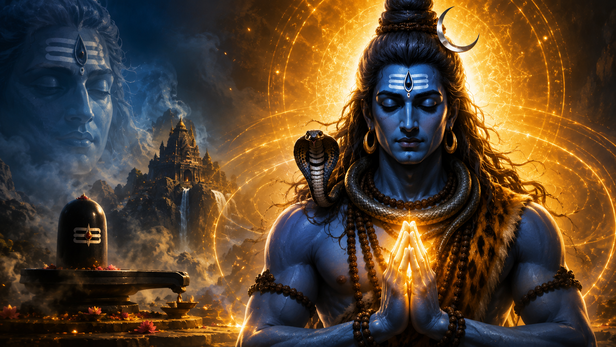
Maha Dev (Image Credit: AI)
Several ancient temple traditions across India preserve customs where priests close sanctums after evening rituals with the belief that divine beings continue their worship invisibly afterward.
The Deep Mystery Associated With Kashi Vishwanath
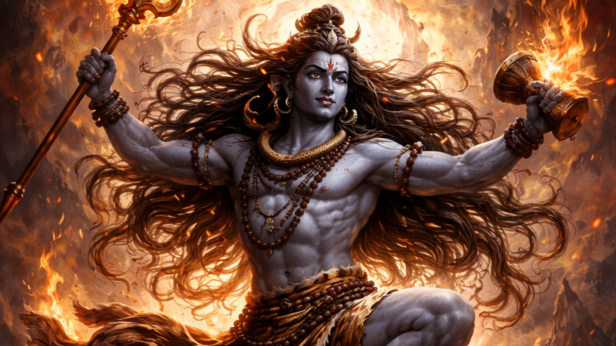
Lord Shiva (Image Credit: AI)
Many devotees who participate in late evening aartis at Kashi Vishwanath describe experiencing an overwhelming spiritual atmosphere after sunset. The silence of the temple lanes, the sound of bells, and the constant chanting of “Har Har Mahadev” create a feeling that Shiva’s presence remains intensely alive throughout the night. Though there are no officially verified claims of physical appearance, devotional traditions strongly maintain that Lord Shiva spiritually manifests in Kashi in ways beyond ordinary perception.
The Sacred Belief Surrounding Srikalahasti Temple
Another temple deeply associated with mystical Shiva traditions is Srikalahasteeswara Temple, often called the Kailasa of the South. Dedicated to Vayu, the wind element among the Pancha Bhoota Shiva temples, Srikalahasti carries centuries-old beliefs about powerful unseen spiritual energies within the temple complex. Devotees believe the temple’s energy becomes especially intense during late-night worship and certain sacred lunar periods.
The temple is also associated with Rahu-Ketu dosha remedies, drawing thousands who seek relief from karmic suffering and astrological difficulties through Shiva’s blessings. For many believers, these experiences strengthen the conviction that Shiva is not distant but spiritually active in sacred places even today.
Why Temples Close at Night in Certain Traditions
One of the reasons these stories continue to fascinate devotees is because many ancient temples follow strict nighttime restrictions. In several traditions, no one is permitted to remain inside sanctified areas after the final rituals conclude. These customs are rooted in Agamic worship systems where the deity is treated as a living divine presence rather than a symbolic idol. Evening rituals often include ceremonial rest offered to the deity before temple doors are sealed for the night. In devotional belief, nighttime belongs to the gods themselves. This spiritual idea deeply influences Hindu temple culture and reinforces the belief that divine activity continues even after human worship ends.
Shiva’s Connection With Darkness, Silence, and Meditation
The belief that Shiva appears spiritually at night is also connected to his symbolic role in Hindu philosophy. Lord Shiva is associated with stillness, meditation, dissolution of ego, and transcendence beyond worldly illusion. Night represents silence and inward reflection, making it spiritually linked with Shiva consciousness. This symbolism becomes especially important during Maha Shivaratri, the great night of Shiva, when devotees remain awake chanting mantras and meditating throughout the night. Scriptures and devotional traditions describe this period as spiritually powerful because Shiva’s presence is believed to become especially accessible to sincere devotees.
For this reason, many Shiva temples feel emotionally transformative after dark, when crowds lessen and the atmosphere becomes quieter and more contemplative.
Why These Stories Continue to Inspire Devotees
For devotees, such stories are not merely about supernatural mystery. They reflect a deeper longing to feel close to the divine in a modern world filled with distraction and uncertainty. The belief that Shiva still spiritually walks through sacred temples at night reinforces the idea that the divine remains present, compassionate, and accessible to sincere seekers. Whether through midnight prayers, temple bells echoing in silence, or the emotional intensity of ancient rituals, devotees continue to experience Shiva temples as living spaces filled with sacred energy.
Conclusion: The Eternal Presence of Mahadev
The belief that Lord Shiva still appears at night in certain temples remains one of the most emotionally powerful traditions in Hindu spirituality. Rooted in centuries of devotion, temple customs, and sacred symbolism, these stories continue to strengthen the faith of millions. For Shiva devotees, temples are not abandoned stone structures after sunset. They are living spiritual worlds where Mahadev’s presence is believed to continue beyond human sight. And perhaps that enduring mystery itself is what keeps devotees returning to Shiva temples generation after generation, searching not only for miracles, but for the silent presence of the eternal Mahadev.
Explore the latest trends and tips in Health & Fitness, Spiritual, Travel, Life Hacks, Trending, Fashion & Beauty, and Relationships at Times Life!