
What If Hanuman Had Fought Ravana Alone in Lanka?
Deepak Rajeev | May 14, 2026, 11:50 IST

Lord Bajrangbali (Image Credit: AI)
Hanuman's journey to Lanka showcased immense power. Devotees often ponder if he could have defeated Ravana alone. However, the epic highlights Hanuman's true glory was his unwavering devotion to Lord Rama. His strength was divine, but his purpose was service. This devotion, not just might, is why he remains a beloved figure.
Among the many unforgettable moments in the Ramayana, few scenes ignite the imagination of devotees as powerfully as Hanuman’s journey into Lanka. Alone, fearless, and carrying nothing but Lord Rama’s name in his heart, Hanuman crossed the ocean, entered Ravana’s golden kingdom, defeated mighty warriors, destroyed Ashok Vatika, and burned vast portions of Lanka itself. For centuries, devotees have wondered about one extraordinary possibility. What if Hanuman had decided to fight Ravana alone in Lanka? Could the mighty vanara warrior have ended the war before Lord Rama’s army even arrived? Could Ravana, despite all his power and boons, truly withstand Hanuman’s divine strength?
The question is emotionally powerful because the Ramayana itself repeatedly shows glimpses of Hanuman’s immeasurable might. Yet the deeper one studies the epic, the clearer it becomes that Hanuman’s greatness was never only about strength. His true glory lay in devotion, obedience, humility, and complete surrender to Lord Rama’s divine mission.
Hanuman Entered Lanka Like a Divine Storm
![Lord Hanuman (Image Credit: AI)]() The Sundara Kanda of the Ramayana remains one of the most beloved portions of the epic because it reveals Hanuman at the height of his spiritual and physical power. Ancient descriptions portray him crossing the ocean with unimaginable force before entering Ravana’s fortified Lanka under the cover of night. Even before meeting Ravana, Hanuman displayed terrifying strength. He defeated Lanka’s guardian spirit Lankini, who then declared that Lanka’s destruction had already begun because Hanuman had entered the city.
The Sundara Kanda of the Ramayana remains one of the most beloved portions of the epic because it reveals Hanuman at the height of his spiritual and physical power. Ancient descriptions portray him crossing the ocean with unimaginable force before entering Ravana’s fortified Lanka under the cover of night. Even before meeting Ravana, Hanuman displayed terrifying strength. He defeated Lanka’s guardian spirit Lankini, who then declared that Lanka’s destruction had already begun because Hanuman had entered the city.
For many devotees, this moment itself feels symbolic. Hanuman did not merely enter Lanka physically. He entered as the force of divine destiny carrying Rama’s victory within him. The Ramayana repeatedly suggests that Ravana’s downfall spiritually began the moment Hanuman stepped into Lanka chanting Rama’s name.
Ravana Witnessed Only a Fraction of Hanuman’s Power
![Lord Anjaneya]() One of the most fascinating aspects of the Lanka episode is that Hanuman never truly fought Ravana with full intent to destroy him. Hanuman crushed powerful rakshasa warriors, killed Ravana’s son Akshayakumara, shattered military formations, and devastated the royal gardens. Even after being captured, many traditions emphasize that Hanuman allowed the capture strategically rather than out of weakness. This detail becomes extremely important in devotional discussions. If Hanuman had wanted only destruction, Lanka had already witnessed enough evidence of what he was capable of. The burning of Lanka was not the act of an ordinary warrior. Devotional traditions often interpret it as the eruption of divine fury through Rama’s greatest devotee.
One of the most fascinating aspects of the Lanka episode is that Hanuman never truly fought Ravana with full intent to destroy him. Hanuman crushed powerful rakshasa warriors, killed Ravana’s son Akshayakumara, shattered military formations, and devastated the royal gardens. Even after being captured, many traditions emphasize that Hanuman allowed the capture strategically rather than out of weakness. This detail becomes extremely important in devotional discussions. If Hanuman had wanted only destruction, Lanka had already witnessed enough evidence of what he was capable of. The burning of Lanka was not the act of an ordinary warrior. Devotional traditions often interpret it as the eruption of divine fury through Rama’s greatest devotee.
Many devotees believe Ravana saw only a controlled portion of Hanuman’s real power because Hanuman had entered Lanka as Rama’s messenger, not as the final destroyer.
This is where the spiritual heart of the Ramayana becomes deeply important. Hanuman absolutely possessed terrifying strength. Numerous devotional traditions describe him as capable of defeating entire armies alone. Yet Hanuman never tried to claim Rama’s destiny for himself. The Ramayana is ultimately not the story of Hanuman’s personal victory. It is the story of Lord Rama establishing dharma, defeating adharma, and fulfilling his divine purpose as an avatar of Lord Vishnu. Hanuman understood this completely. For a devotee like Hanuman, personal glory meant nothing. Every action existed only for Rama’s mission. Even when his strength surpassed imagination, he remained humble enough to serve rather than dominate.
This is precisely why devotees worship Hanuman with such emotional intensity. His power becomes even more divine because he never used it for ego.
Many devotees strongly believe the answer is no. The Ramayana repeatedly portrays Hanuman as protected by divine blessings from powerful deities. He was blessed with immense strength, fearlessness, speed, intelligence, and near invulnerability. His spiritual force came not only from physical might but from absolute devotion to Rama. Several devotional retellings suggest that Hanuman’s true strength expanded infinitely whenever he remembered Lord Rama wholeheartedly.
Ravana, despite his immense knowledge and power, was increasingly weakened spiritually by ego, arrogance, and adharma. Even his own family members, including Vibhishana and Mandodari, warned him repeatedly that his path would lead to destruction. For many devotees, this creates a profound spiritual contrast. Hanuman represented surrender to God, while Ravana represented surrender to ego. In Hindu devotional understanding, ego can never permanently defeat pure devotion.
One of the deepest spiritual truths in the Ramayana is that Hanuman’s greatest victory in Lanka was not military. It was devotional. He found Sita when all hope seemed lost. He carried Rama’s message to her. He restored faith inside the darkest place imaginable. He warned Ravana openly in his own court. He shook the confidence of Lanka before Rama’s army had even crossed the ocean. Hanuman transformed fear into courage simply through devotion. This is why Sundara Kanda remains so sacred among devotees even today. It is not merely an adventure story. It is the revelation of what happens when absolute devotion combines with divine purpose. If Hanuman Had Fought Alone, the Ramayana’s Divine Purpose Would Change
The emotional temptation of imagining Hanuman destroying Ravana alone is powerful because devotees deeply love Hanuman’s strength and fearlessness. Yet spiritually, the Ramayana required Rama himself to defeat Ravana. Lord Rama’s victory was not only about rescuing Sita. It represented the restoration of cosmic order, the triumph of dharma, and the fulfillment of Vishnu’s divine purpose on Earth. Hanuman understood that his role was sacred precisely because he served Rama rather than replacing him. In many devotional traditions, this becomes Hanuman’s greatest lesson to humanity. True strength is not domination. True strength is surrender to God’s purpose.
The reason this “what if” question continues to fascinate devotees is because Hanuman inspires extraordinary emotional devotion across generations. To many Hindus, Hanuman is not merely a mythological figure. He is the embodiment of courage during fear, faith during suffering, and loyalty during darkness. Imagining Hanuman alone against Ravana awakens a deep emotional feeling that devotion itself is stronger than evil, stronger than fear, and stronger than worldly power. That emotional truth is why millions continue chanting Hanuman’s name during difficult times even today.
If Hanuman had truly fought Ravana alone in Lanka, devotees believe Lanka itself may not have survived the force of his divine fury. The Ramayana already shows glimpses of this power through the destruction of Ashok Vatika, the defeat of mighty warriors, and the burning of the golden city. Yet Hanuman’s greatness was never meant to overshadow Lord Rama’s destiny. His true glory came from something even greater than strength: complete surrender to Rama’s will.
That is why Hanuman remains one of the most beloved figures in Hindu devotion. He possessed the power to shake kingdoms, terrify demons, and challenge impossible odds, yet his heart remained filled only with Rama’s name. And for countless devotees, that devotion itself is the greatest power in the universe.
Explore the latest trends and tips in Health & Fitness, Spiritual, Travel, Life Hacks, Trending, Fashion & Beauty, and Relationships at Times Life!
The question is emotionally powerful because the Ramayana itself repeatedly shows glimpses of Hanuman’s immeasurable might. Yet the deeper one studies the epic, the clearer it becomes that Hanuman’s greatness was never only about strength. His true glory lay in devotion, obedience, humility, and complete surrender to Lord Rama’s divine mission.
Hanuman Entered Lanka Like a Divine Storm
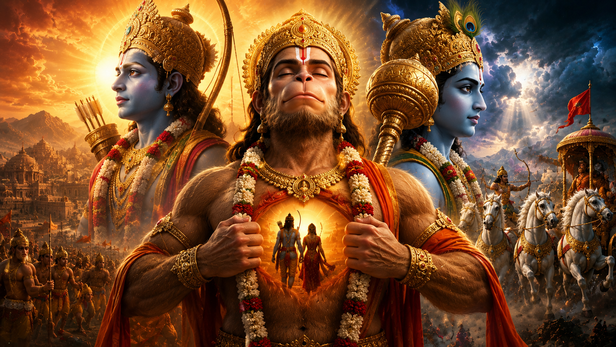
Lord Hanuman (Image Credit: AI)
For many devotees, this moment itself feels symbolic. Hanuman did not merely enter Lanka physically. He entered as the force of divine destiny carrying Rama’s victory within him. The Ramayana repeatedly suggests that Ravana’s downfall spiritually began the moment Hanuman stepped into Lanka chanting Rama’s name.
Ravana Witnessed Only a Fraction of Hanuman’s Power
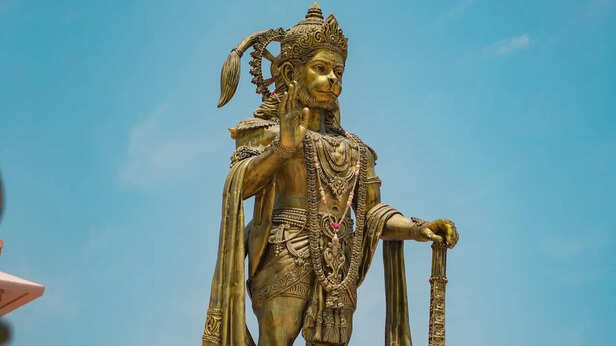
Lord Anjaneya
Image credit : Pexels
Many devotees believe Ravana saw only a controlled portion of Hanuman’s real power because Hanuman had entered Lanka as Rama’s messenger, not as the final destroyer.
Why Hanuman Did Not Kill Ravana Himself
This is where the spiritual heart of the Ramayana becomes deeply important. Hanuman absolutely possessed terrifying strength. Numerous devotional traditions describe him as capable of defeating entire armies alone. Yet Hanuman never tried to claim Rama’s destiny for himself. The Ramayana is ultimately not the story of Hanuman’s personal victory. It is the story of Lord Rama establishing dharma, defeating adharma, and fulfilling his divine purpose as an avatar of Lord Vishnu. Hanuman understood this completely. For a devotee like Hanuman, personal glory meant nothing. Every action existed only for Rama’s mission. Even when his strength surpassed imagination, he remained humble enough to serve rather than dominate.
This is precisely why devotees worship Hanuman with such emotional intensity. His power becomes even more divine because he never used it for ego.
Could Ravana Actually Defeat Hanuman?
Many devotees strongly believe the answer is no. The Ramayana repeatedly portrays Hanuman as protected by divine blessings from powerful deities. He was blessed with immense strength, fearlessness, speed, intelligence, and near invulnerability. His spiritual force came not only from physical might but from absolute devotion to Rama. Several devotional retellings suggest that Hanuman’s true strength expanded infinitely whenever he remembered Lord Rama wholeheartedly.
Ravana, despite his immense knowledge and power, was increasingly weakened spiritually by ego, arrogance, and adharma. Even his own family members, including Vibhishana and Mandodari, warned him repeatedly that his path would lead to destruction. For many devotees, this creates a profound spiritual contrast. Hanuman represented surrender to God, while Ravana represented surrender to ego. In Hindu devotional understanding, ego can never permanently defeat pure devotion.
Hanuman’s Greatest Victory Was Not Physical
One of the deepest spiritual truths in the Ramayana is that Hanuman’s greatest victory in Lanka was not military. It was devotional. He found Sita when all hope seemed lost. He carried Rama’s message to her. He restored faith inside the darkest place imaginable. He warned Ravana openly in his own court. He shook the confidence of Lanka before Rama’s army had even crossed the ocean. Hanuman transformed fear into courage simply through devotion. This is why Sundara Kanda remains so sacred among devotees even today. It is not merely an adventure story. It is the revelation of what happens when absolute devotion combines with divine purpose. If Hanuman Had Fought Alone, the Ramayana’s Divine Purpose Would Change
The emotional temptation of imagining Hanuman destroying Ravana alone is powerful because devotees deeply love Hanuman’s strength and fearlessness. Yet spiritually, the Ramayana required Rama himself to defeat Ravana. Lord Rama’s victory was not only about rescuing Sita. It represented the restoration of cosmic order, the triumph of dharma, and the fulfillment of Vishnu’s divine purpose on Earth. Hanuman understood that his role was sacred precisely because he served Rama rather than replacing him. In many devotional traditions, this becomes Hanuman’s greatest lesson to humanity. True strength is not domination. True strength is surrender to God’s purpose.
Why Devotees Still Feel Emotionally Moved by This Question
The reason this “what if” question continues to fascinate devotees is because Hanuman inspires extraordinary emotional devotion across generations. To many Hindus, Hanuman is not merely a mythological figure. He is the embodiment of courage during fear, faith during suffering, and loyalty during darkness. Imagining Hanuman alone against Ravana awakens a deep emotional feeling that devotion itself is stronger than evil, stronger than fear, and stronger than worldly power. That emotional truth is why millions continue chanting Hanuman’s name during difficult times even today.
Conclusion: Hanuman’s True Power Was His Devotion to Rama
If Hanuman had truly fought Ravana alone in Lanka, devotees believe Lanka itself may not have survived the force of his divine fury. The Ramayana already shows glimpses of this power through the destruction of Ashok Vatika, the defeat of mighty warriors, and the burning of the golden city. Yet Hanuman’s greatness was never meant to overshadow Lord Rama’s destiny. His true glory came from something even greater than strength: complete surrender to Rama’s will.
That is why Hanuman remains one of the most beloved figures in Hindu devotion. He possessed the power to shake kingdoms, terrify demons, and challenge impossible odds, yet his heart remained filled only with Rama’s name. And for countless devotees, that devotion itself is the greatest power in the universe.
Explore the latest trends and tips in Health & Fitness, Spiritual, Travel, Life Hacks, Trending, Fashion & Beauty, and Relationships at Times Life!